Project Overview
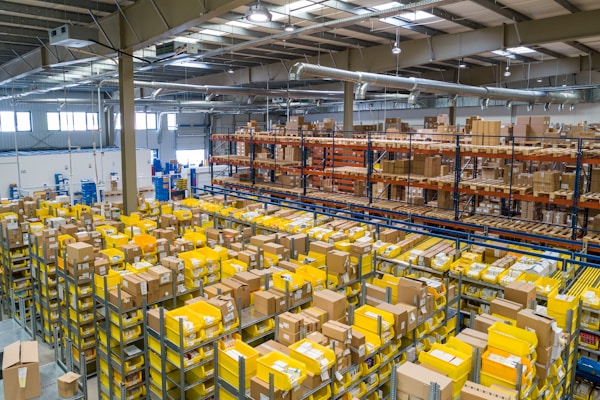
Workgen Solutions partnered with a leading Membership Warehouse Retailer to deliver a robust Quality Assurance (QA) framework for validating large-scale warehouse inspection data.
Operating in high-volume environments where safety, structural integrity, and asset performance are critical, the client required a system that ensured inspection accuracy, regulatory compliance, and data reliability across multiple locations.
Workgen acted as the final quality gate before inspection data was approved for reporting and action — implementing a comprehensive, multi-layered QA process across four core inspection categories.
Key Challenges
Inconsistent Submission Quality
Inconsistent quality in field inspection submissions created risk of inaccurate data entering downstream reporting and planning systems.
Data Mismatches & Incomplete Reports
Risk of data mismatches, incomplete reports, or inaccuracies that could compromise safety decisions and capital expenditure planning.
No Standardized Validation Process
Lack of a standardized process to validate multi-category inspections across different inspection types — rack steel, lighting, assets, HVAC, and refrigeration.
Safety & Compliance Exposure
Potential exposure to safety risks and compliance gaps, directly impacting maintenance planning, audit readiness, and operational safety across numerous warehouse locations.
Scope of Inspections Covered
Workgen's QA team validated data across four critical inspection categories, each with its own verification methodology.
1. Rack Steel Inspection
- Verified structural integrity of pallet racking systems
- Cross-checked aisle numbers with store layouts
- Validated damage indicators — rust, bends, and load issues
2. Light Meter Inspection
- Matched light readings with fixture images
- Verified measurement locations using store mapping
- Flagged inconsistencies between readings and visuals
3. Asset Inspection
Safety-critical assets reviewed:
- Fire extinguishers, ceiling structures & alarm systems
- Ensured ratings aligned with visual evidence
- Validated compliance against safety standards
4. HVAC & Refrigeration
Equipment verified:
- Freezers, Air Handling Units (AHUs) & refrigeration systems
- Checked for leaks, frost buildup, and maintenance gaps
- Cross-validated visible issues with inspection reports
Quality Assurance Methodology
A four-pillar methodology ensured every inspection record was accurate, traceable, and audit-ready before approval.
Image & Data Validation
Ensured all images were clear, relevant, and properly aligned with inspection tasks
Cross-validated comments, ratings, and visual evidence for consistency
Decision Framework
Data complete & accurate
Minor clarifications needed
Discrepancy, fraud, or missing data
Fraud Detection
Identified & Flagged:
- Duplicate images across submissions
- Stock photos used in place of real captures
- Mismatched or incorrect inspection locations
Outcome:
Prevented inaccurate and fraudulent data from entering reporting systems, protecting the integrity of maintenance decisions and safety audits.
Audit-Ready Documentation
Added detailed reviewer notes to every evaluated record
Maintained full traceability for compliance audits and regulatory reviews
Measurable Outcomes
The structured QA framework delivered clear, measurable impact across safety, accuracy, compliance, and operational efficiency.
Improved Safety & Compliance
Ensured all inspections met regulatory and internal safety standards, reducing the risk of structural or operational failures across warehouse locations.
Enhanced Data Accuracy
Delivered highly reliable inspection data for maintenance planning, capital expenditure decisions, and operational reporting.
Risk Mitigation
Early detection of discrepancies prevented safety hazards, equipment failures, and compliance violations before they could escalate.
Scalable Quality Control
Enabled consistent QA across high-volume inspections and multiple warehouse locations without compromising speed or accuracy.
Continuous Improvement Loop
Detailed feedback helped field teams improve submission quality over time, increasing overall efficiency and reducing repeat rejections.
Key Results
Significant reduction in inspection errors and inconsistencies across all categories
Improved audit readiness and compliance tracking across all warehouse locations
Faster identification of critical maintenance issues enabling proactive intervention
Strengthened operational reliability and safety standards across all warehouse sites